

The toddler and preschool years are a valuable window for building communication, social, and daily living skills. For children with autism, early intervention offers support during that time of foundational brain development. Early intervention gives children more time to practice and build skills, and offers families tools they can weave into everyday rhythms.
If you’re wondering exactly why early intervention is important, or whether it’s time to look into it, this guide can offer clarity. Read on to better understand how early intervention works, what it can offer, and how to take the next steps, even before a formal diagnosis.
What Is Early Intervention in Autism?
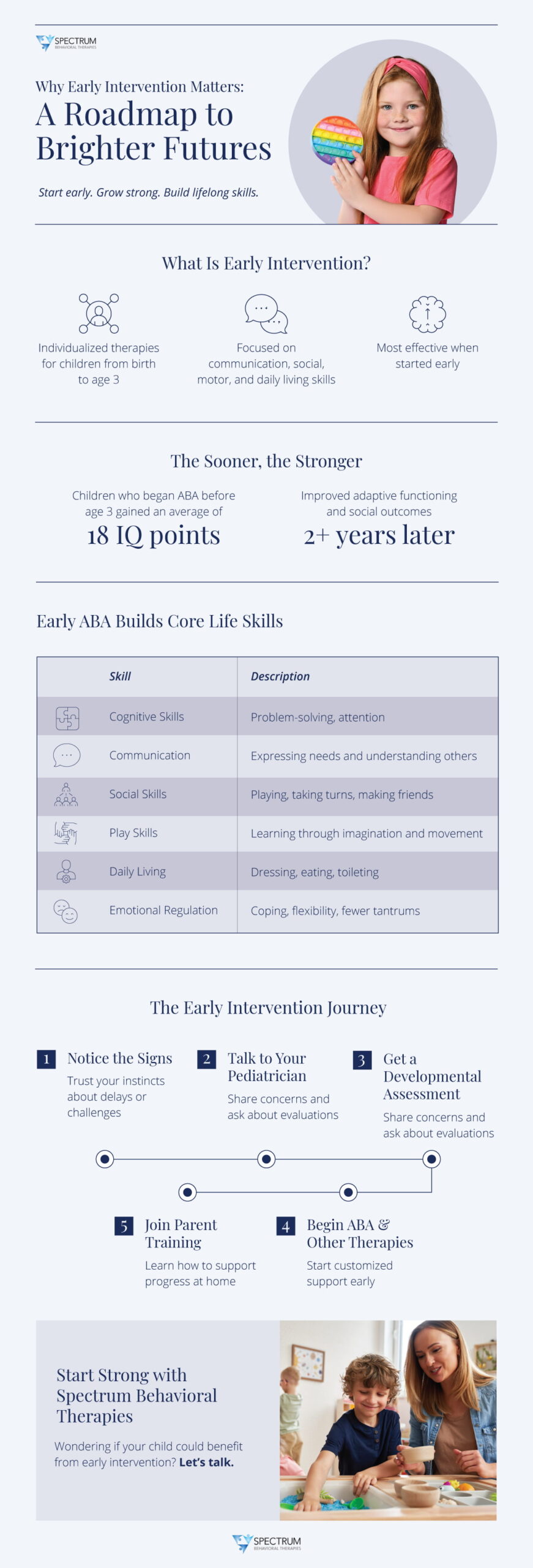
Early intervention in autism means connecting a young child, from birth up to three years old, with therapies and supports that help address developmental delays. These often include Applied Behavior Analysis (ABA), speech therapy, and occupational therapy. Many children receive a combination of therapies and supports.
In practice, early intervention is play-based and built around everyday routines, such as:
- Mealtimes (example: helping a child use a gesture to ask for a snack)
- Playtimes (example: taking turns with toys or activities)
- Getting ready (example: following simple instructions to get dressed)
Families take part in each step so new skills carry over to home life. The right amount of support varies by child, and children can continue to use early intervention strategies throughout preschool years and beyond.
Why Is Early Intervention Important for Autism?
Early intervention is important for children with autism because a young child’s brain is especially adaptable. The ability to form new connections in response to experiences (called neuroplasticity) is particularly active in the first few years of life. Research suggests that the sooner a child receives support during this time, the greater the opportunity to build skills that shape later learning and independence.
Starting earlier allows a child to practice various social and communication skills they’ll use in a classroom, such as paying attention, following instructions, and responding to others. When those basics feel familiar, school days can focus more on learning and less on adjusting to new expectations.
Early intervention can:
- Support communication, social, and learning skills during an important period of brain development
- Give your child more time to practice new skills in familiar, low-pressure settings
- Make everyday routines like eating, dressing, and playing easier
- Help your family understand your child’s needs and strengths
Progress looks different for every child, but starting intervention as soon as possible gives children and families more time to work on skills together.
Benefits of Early Intervention in ABA Therapy
Studies of children who begin receiving support in the toddler and preschool years have found encouraging gains in areas like communication, social skills, and daily living skills. These are just some of the key benefits of early intervention that families often hope to see.
1. Stronger Communication
Early support can help children find ways to share what they want and need, whether through words, gestures, pictures, or a communication device. When a child can express their feelings and needs, frustration can soften for the whole family.
2. Learning Through Play
Young children learn through play, so early ABA therapy often teaches new skills through games or songs. Learning this way can feel more natural and make it easier to maintain skills at home and in other settings.
3. Social Connection
Making friends can be difficult for children with autism. Early intervention can strengthen social skills like turn-taking and sharing attention, giving children a foundation for social interactions from an earlier age.
4. Daily Living Skills
Children can start working on routines like feeding themselves and toileting on their own. Building these skills step by step can significantly boost a child’s confidence and independence over time.
5. Preparing for School
Early intervention can help children practice skills that support classroom participation, such as waiting and joining group activities. This can make the transition to school smoother for children and parents alike.
Benefits of Early Intervention for Families
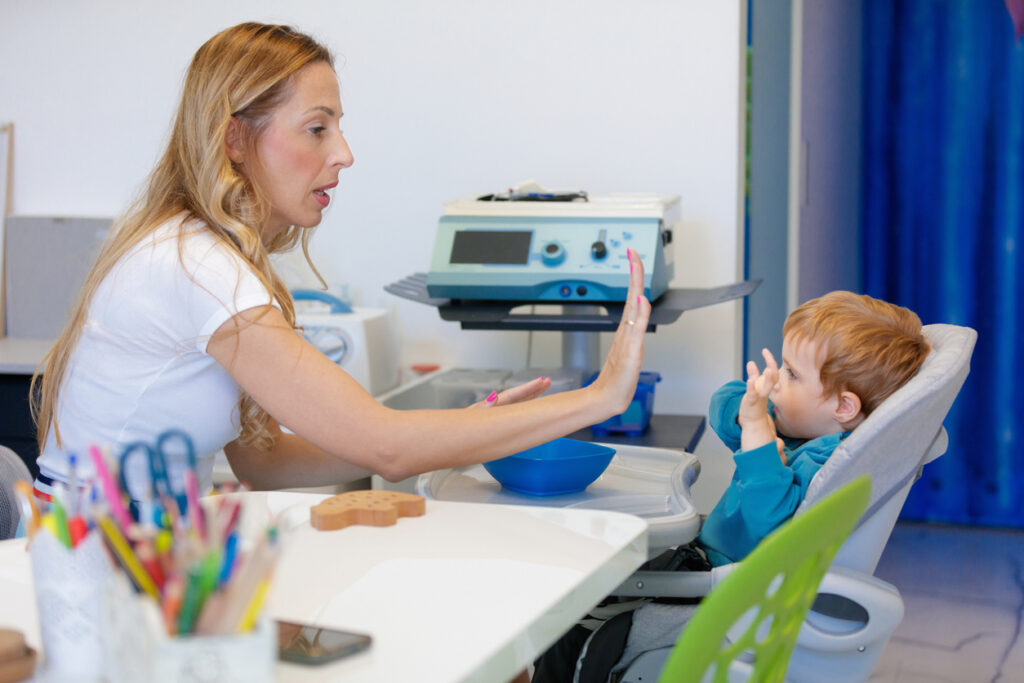
The importance of early intervention extends to parents and caregivers, too. Quality ABA programs include families in the process, so you learn strategies for supporting your child in everyday moments. Many parents find this lowers stress at home because they feel more prepared and better understand what’s behind their child’s actions and attempts to communicate.
Spectrum Behavioral Therapies offers parent training so you can implement these strategies between sessions. Practicing the same skills at home and in therapy can help them take hold.
Long-Term Outcomes of Early Intervention
Many parents wonder how long the benefits of early intervention will last. Outcomes vary, and no one can predict exactly how a single child will progress, but the results of early intervention are promising. One study of children with autism found that early intervention helped improve various symptoms two years after intervention.
Here are three long-term benefits of early intervention that families often see.
1. Skills That Carry Forward
Skills learned through repeated practice and play often become part of everyday routines, so they can keep serving children after therapy ends. Many families see these skills help their child adapt to new settings as they grow.
2. Building Independence
Earlier gains in communication and self-care give children a stronger foundation for greater independence over time. Support can continue as a child’s needs change, including through ABA for adults when it’s a good fit.
3. Confidence and Quality of Life
Children who can understand what’s expected of them and can share their needs and emotions often feel more comfortable at home, at school, and in the community. Learning healthy, sustainable ways to cope with big feelings also helps children manage stress.
When Should You Start Early Intervention?
The best time to start early intervention is as soon as you have a concern. Early intervention is available from birth to age three. You don’t have to wait for a formal autism diagnosis. If something feels different about how your child plays, communicates, or responds to you, it’s worth asking about early intervention to help your child build skills.
How Early Support Can Begin
Early intervention is important, but it’s not always easy to tell if your child could benefit. This simple framework can help get the conversation about early intervention started.
- Talk to your pediatrician about what you’ve noticed and ask about a developmental screening.
- Request an evaluation directly through your state’s early intervention program, which doesn’t require a doctor’s referral.
- Ask about an autism evaluation with your pediatrician, psychologist, or other specialist to see if your child meets the criteria.
- Explore therapy options, including speech or occupational therapy. Some therapies are available before a diagnosis, while others, including ABA therapy, require diagnosis for insurance coverage.
Signs to Talk to Your Pediatrician About
Every child develops on their own timeline, and one sign alone doesn’t mean a child has autism. If you notice several of the signs below, bring it up with your pediatrician.
- Limited eye contact
- Little response to facial expressions
- Not looking at objects when pointed towards them
- Few or no words by around 16 months old
- Not responding to their name
- Little interest in others
- Limited or repetitive play with toys
- Repetitive movements like rocking or hand flapping
- Walking on toes for long periods of time
- Difficulty with changes in routine
- Intense focus on a single object or interest
- Strong reactions to smells, sounds, textures, or other sensations
You know your child best, so trust your instincts. Asking early never hurts, and your pediatrician can help you decide on next steps.
Learn More About Early Intervention at Spectrum Behavioral Therapies
Spectrum Behavioral Therapies creates a customized plan for each child under our care. We come together monthly with the parents, child, therapist, and supervisor to discuss what is and isn’t working and adjust plans as needed.
Now that we have covered why early intervention is important, you may be interested in exploring this option for your child. Contact us today to start the process.